
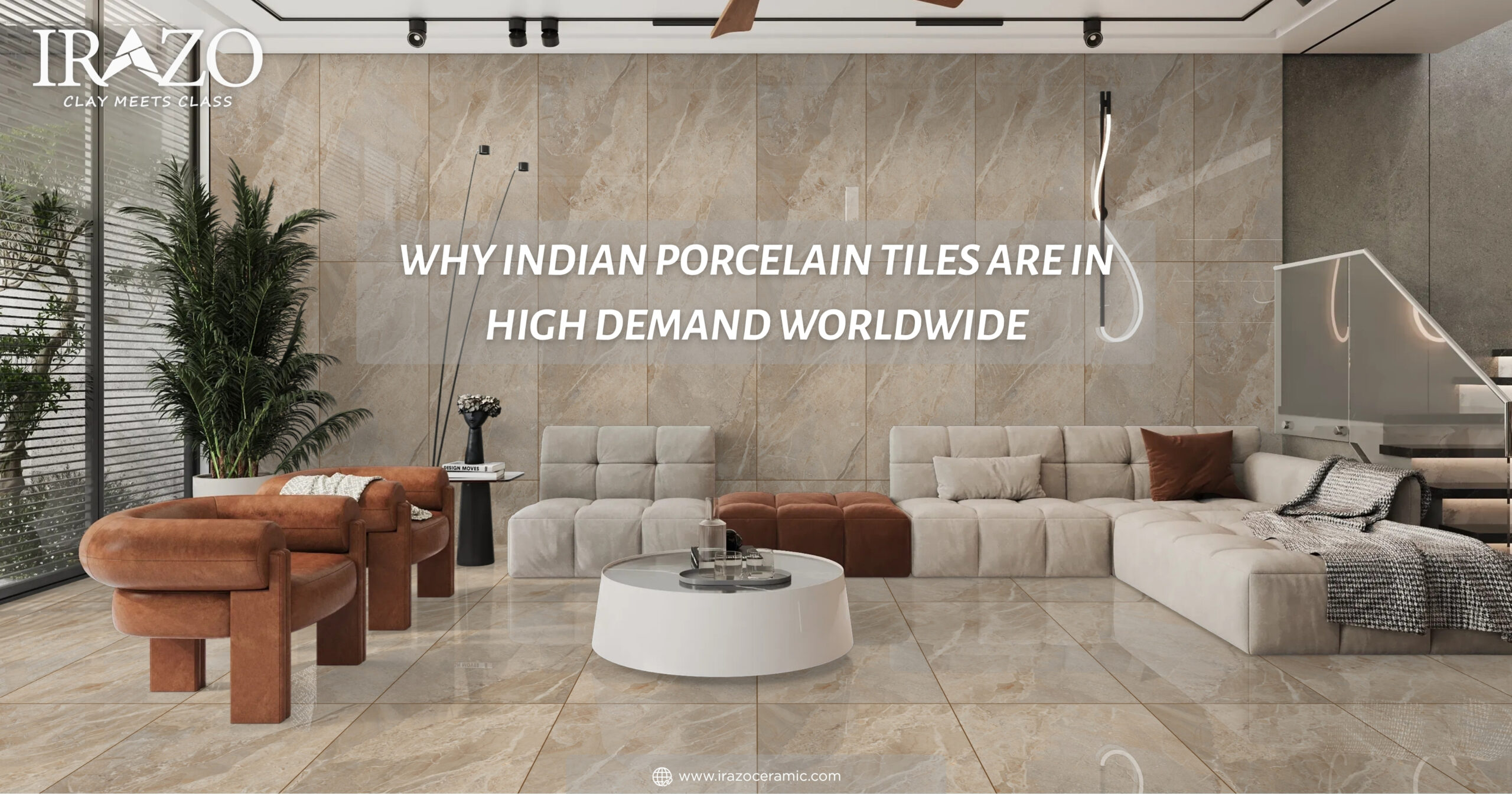
Porcelain tiles made in India have become a top choice for builders, homeowners, and businesses in many countries. People look for strong, good-looking, and affordable flooring and wall options. Indian makers deliver exactly that. This blog explains every detail about these tiles, from how they are made to why buyers across the world prefer them. You will learn the full picture, including technical points, real uses, and what sets Indian products apart.
What Makes Porcelain Tiles Different?
Porcelain tiles come from a mix of fine clays, feldspar, and quartz or sand. Makers press this mix under high pressure and fire it at very high heat, often above 1200°C. This process, called vitrification, turns the material dense and hard. Water absorption stays below 0.5%, which means the tiles hardly take in any moisture.
Compare this to regular ceramic tiles. Ceramic uses coarser clay and fires at lower temperatures, usually around 1000-1100°C. Water absorption can reach 3% to 10%. Porcelain feels heavier, stronger, and more solid. It resists scratches, stains, and breaking better. Many call porcelain a special type of ceramic, but the extra density makes a big difference in daily use.
Key technical points include:
- Water absorption: Less than 0.5% (impervious).
- Thickness: Often 8 to 10 mm or more for floor tiles.
- Sizes: Common ones are 60×60 cm and 60×120 cm. Larger slabs like 120×120 cm or bigger also exist.
- Hardness: Mohs scale rating of 7 or higher in many cases.
- PEI rating: Usually 3 to 5 for floor use, meaning they handle medium to heavy traffic.
- Breaking strength: High, often above 250-500 N, depending on thickness.
- Chemical resistance: Stands up to cleaners, acids, and everyday spills.
- Frost resistance: Good for outdoor use in cold places because low water absorption prevents cracking when water freezes.
These numbers come from standard tests like ISO and ASTM. Indian factories follow international rules to meet buyer needs in Europe, the Middle East, America, and Africa.
Visit irazoceramic to see their range of porcelain tiles that meet these high standards.
Main Reasons for High Worldwide Demand
Buyers choose Indian porcelain tiles for several clear reasons.
1. Strength and Long Life
These tiles handle heavy foot traffic, furniture movement, and daily wear. In homes, they last decades with little repair. In malls, hotels, or offices, they keep looking good under constant use. High density means fewer chips or cracks.
2. Low Water Absorption
Almost no water gets in. This stops stains, mold, and damage in kitchens, bathrooms, and outdoor areas. Rain or spills do not weaken the tile. Good for places with wet weather or high humidity.
3. Easy Care
Sweep or mop with normal cleaners. No sealing needed like natural stone. The surface resists most household chemicals. Matte or textured finishes hide marks better; glossy ones shine after simple cleaning.
4. Many Designs and Finishes
Digital technology prints patterns that look like real wood grain, stone veins, cement, or marble. Finishes include high gloss (shiny and bright), matte (soft and modern), rustic (textured), and anti-slip for wet areas. Sizes and thicknesses fit any project.
5. Good Value for Money
Indian makers offer high quality at lower costs than European brands. Lower labor and material expenses help, without cutting corners on machines or checks. Buyers get premium feel at better prices.
6. Eco-Friendly Aspects
Many factories recycle water and waste. Modern kilns use energy better. Tiles last long, so less replacement waste. Some lines use natural materials with low emissions.
7. Consistent Supply
Large factories produce thousands of square meters daily. They handle bulk orders and custom small runs. Reliable shipping and packing protect tiles during long sea journeys.
These points explain steady demand growth even when other suppliers face challenges.
Explore durable collections at irazoceramic
Popular Applications Around the World
- Residential: Living rooms, bedrooms, kitchens, bathrooms. Wood-look tiles give warm feel without wood problems. Glossy for bright spaces.
- Commercial: Hotels, restaurants, offices, malls. Heavy-duty options handle crowds.
- Outdoor: Patios, driveways, parking with thicker 20 mm tiles. Frost proof and slip resistant.
- Walls: Feature walls, shower areas, building exteriors.
- Special Projects: Airports, hospitals, schools – places needing hygiene and low maintenance.
Find the right tiles for your project
Indian Tiles Compared to Others
Indian porcelain often beats Chinese options in sturdiness and support for certain markets. Logistics help delivery to nearby regions. European tiles cost more but Indian ones match quality at lower prices. Consistency and variety give Indian makers an edge.
Quality Control and Technology
Factories use Italian presses, kilns, and digital printers. Raw materials get tested. Every stage has checks for size, color, strength, and defects. Good packing uses wooden crates or pallets with foam protection. This ensures tiles arrive ready to install.
Sustainability and Future Trends
Makers invest in green tech: water recycling, energy efficient firing, waste reuse. Demand grows for large slabs, anti-microbial surfaces, and custom designs. India continues to gain share as global construction rises.
Conclusion
Indian porcelain tiles win worldwide because they combine real strength, beautiful looks, practical benefits, and fair prices. From Morbi factories using advanced methods to strict testing and wide designs, they meet needs of modern projects. Demand keeps rising as more people discover their advantages over other materials.
For your next flooring or wall project, consider tiles that last, look great, and come from trusted makers. Check the full range and experience the quality yourself.
.